

You HERD it here!
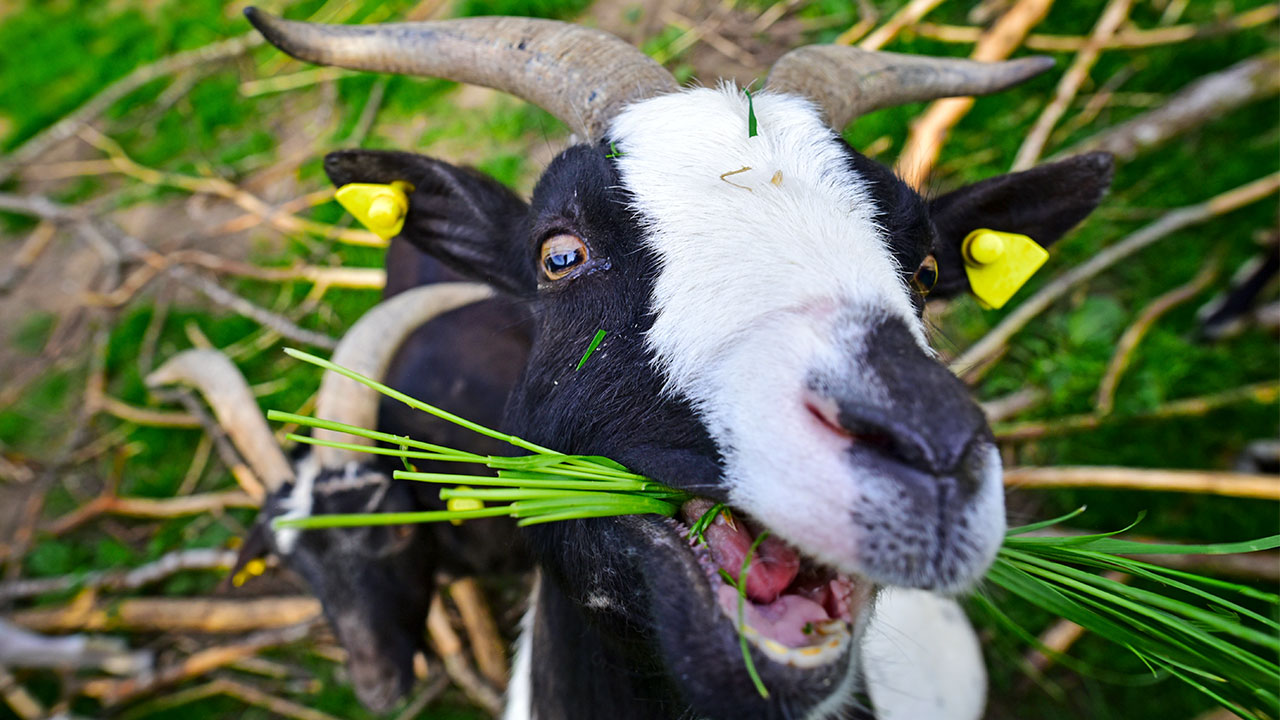
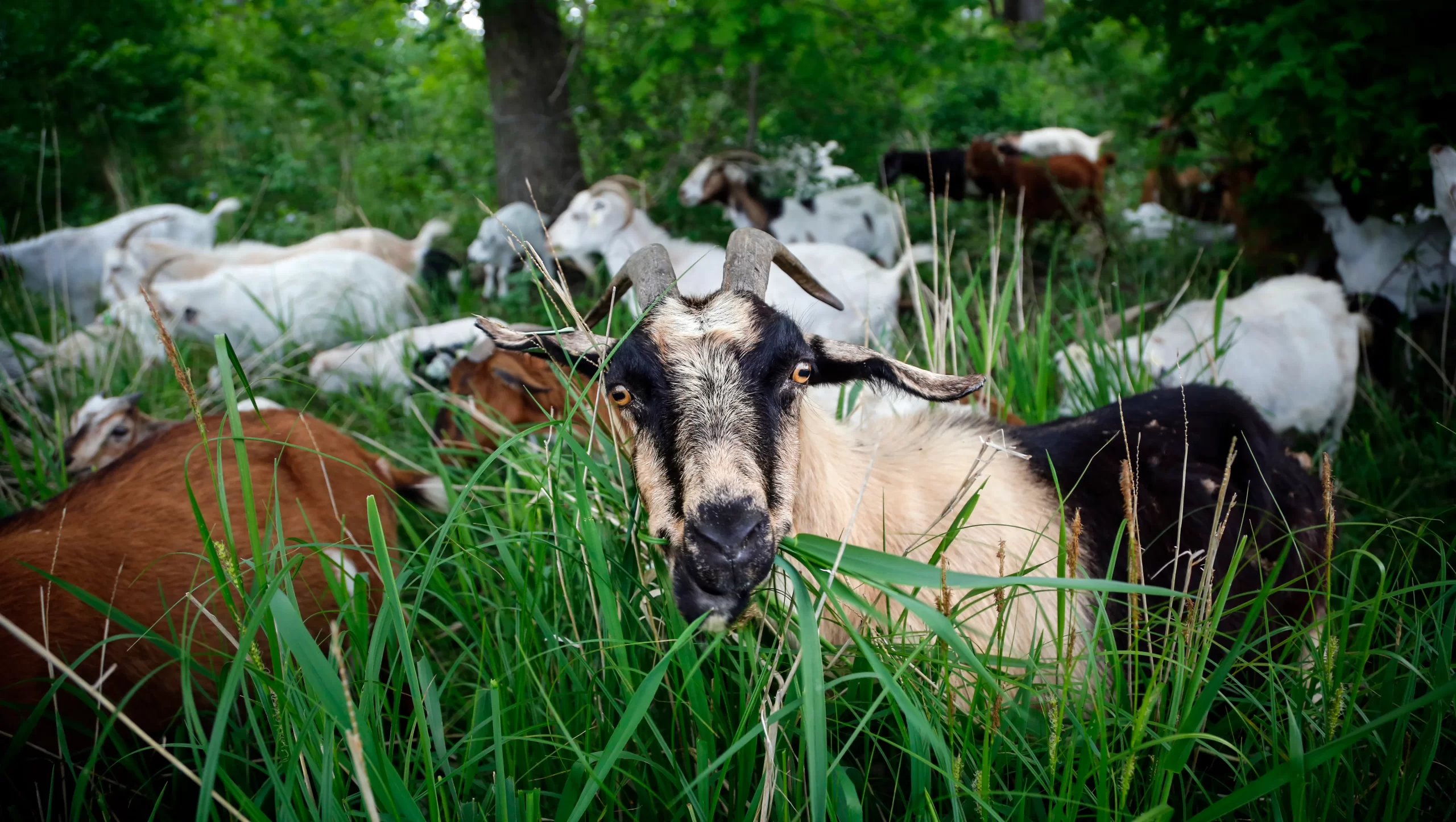
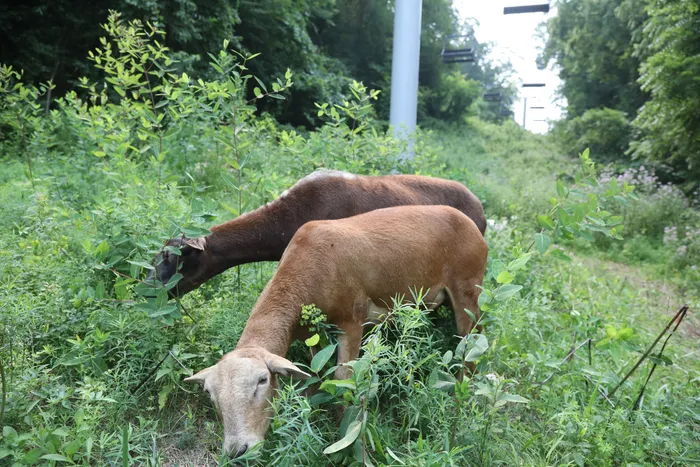
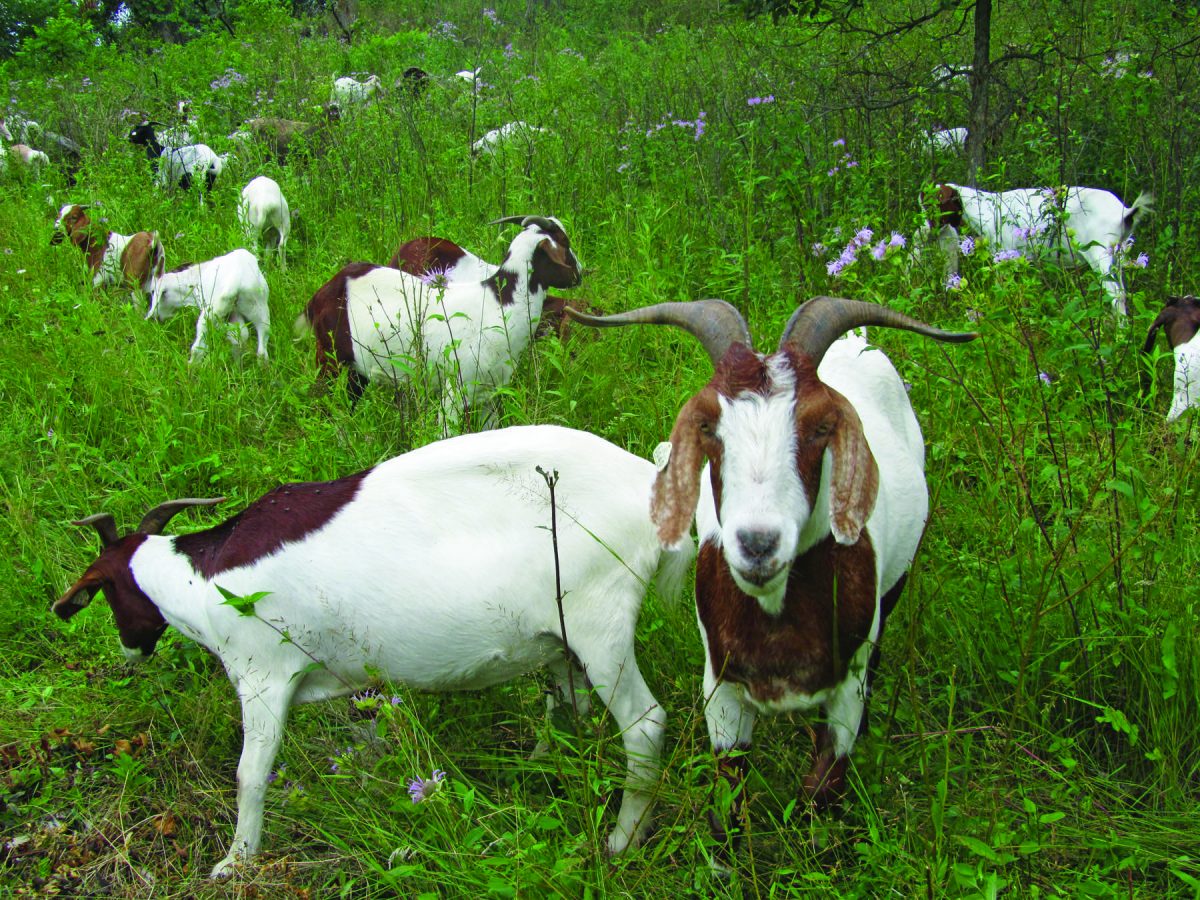
Goats and sheep are an effective, cost efficient, and sustainable method to get your landscape back under control. Our herd is comprised of goats that use their munching skills to clear brush, weeds, and invasive plant species.
Say NO to herbicides & YES to herbivores!
Dailey Maintenance is proud to partner with the:

Does it work? Why should I choose this method?
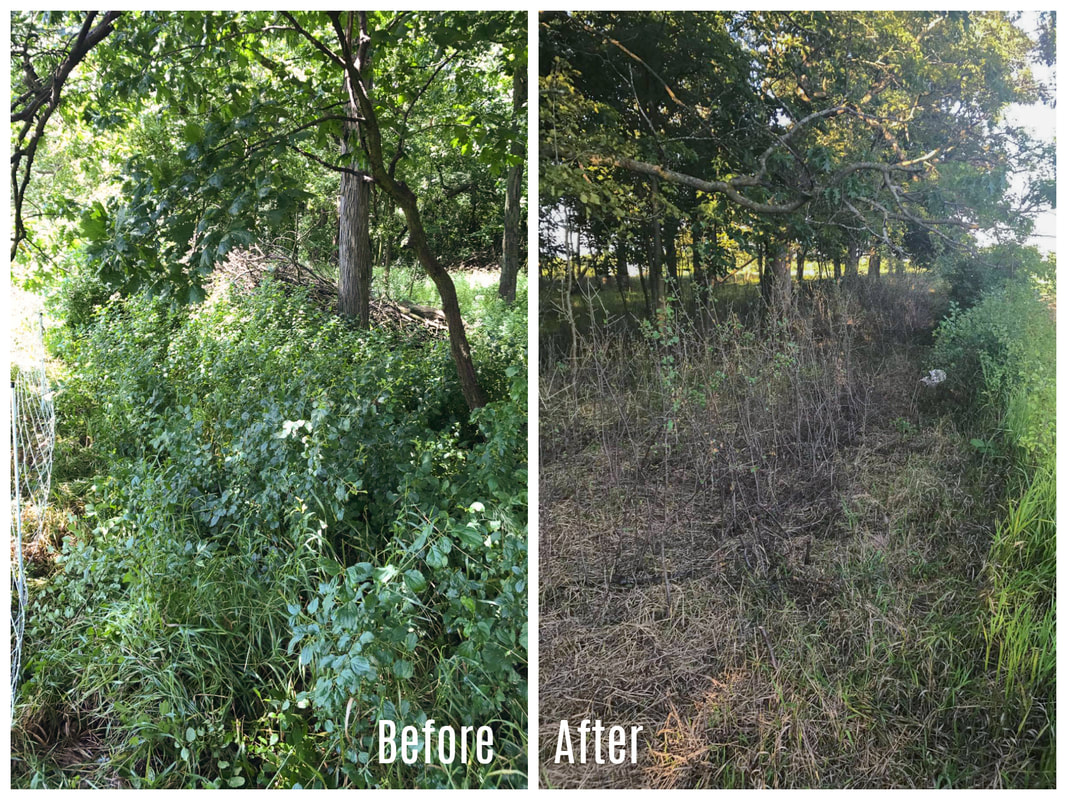
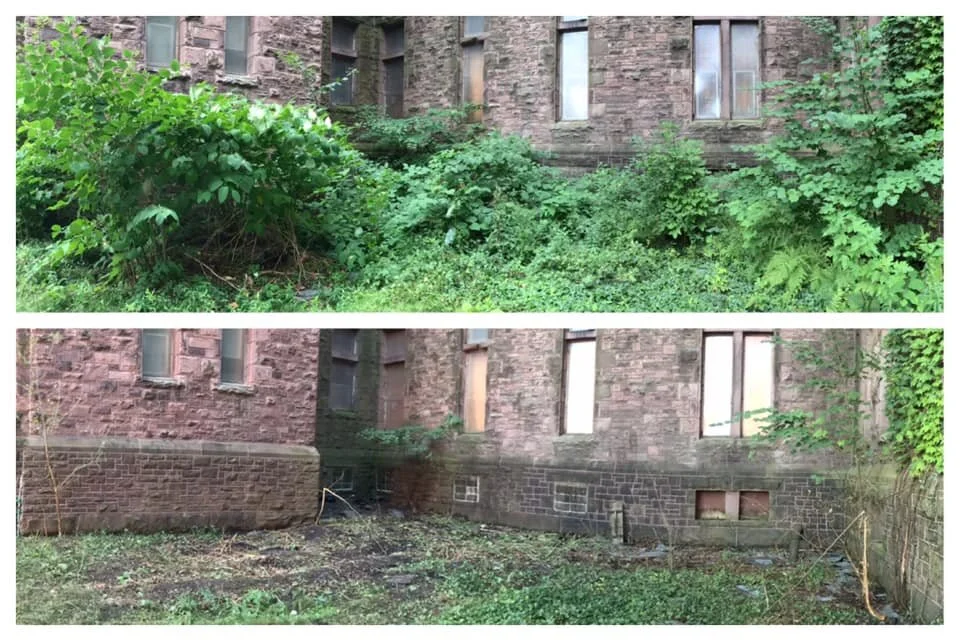
Yes! Goats are an effective and sustainable method to manage overgrown vegetation and restore your property. Goatscaping is a great first step to getting your land back under control, but it is just step 1 in a multi-step process. You’ll get the best results from goatscaping if you have a plan for the next steps in mind!
A few reasons goats are a great option:
- Quieter than power equipment!
- Engages the community!
- Can navigate hidden hazards and things that make using other methods difficult – fallen trees, stumps, steep terrain, poison ivy.
- Ecologically responsible – disturbs the soil less than machinery and causes less pollution.
- By the time seeds get through all four of their stomachs, very few come out viable!
- They promote healthy soil, fertilizing as they go!
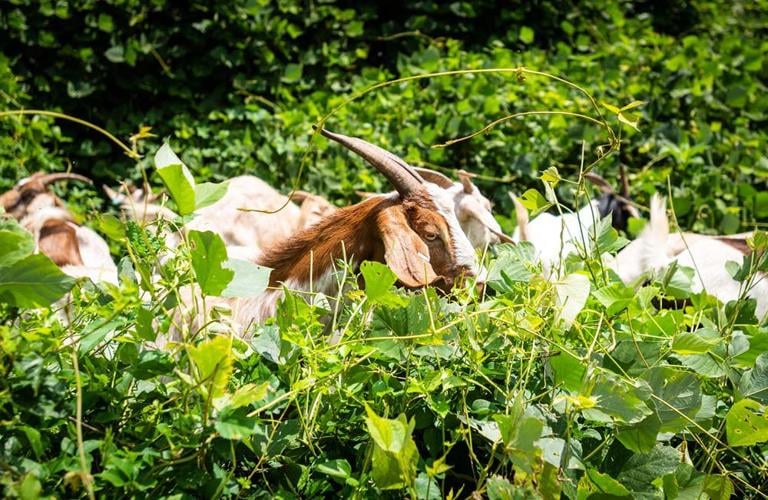
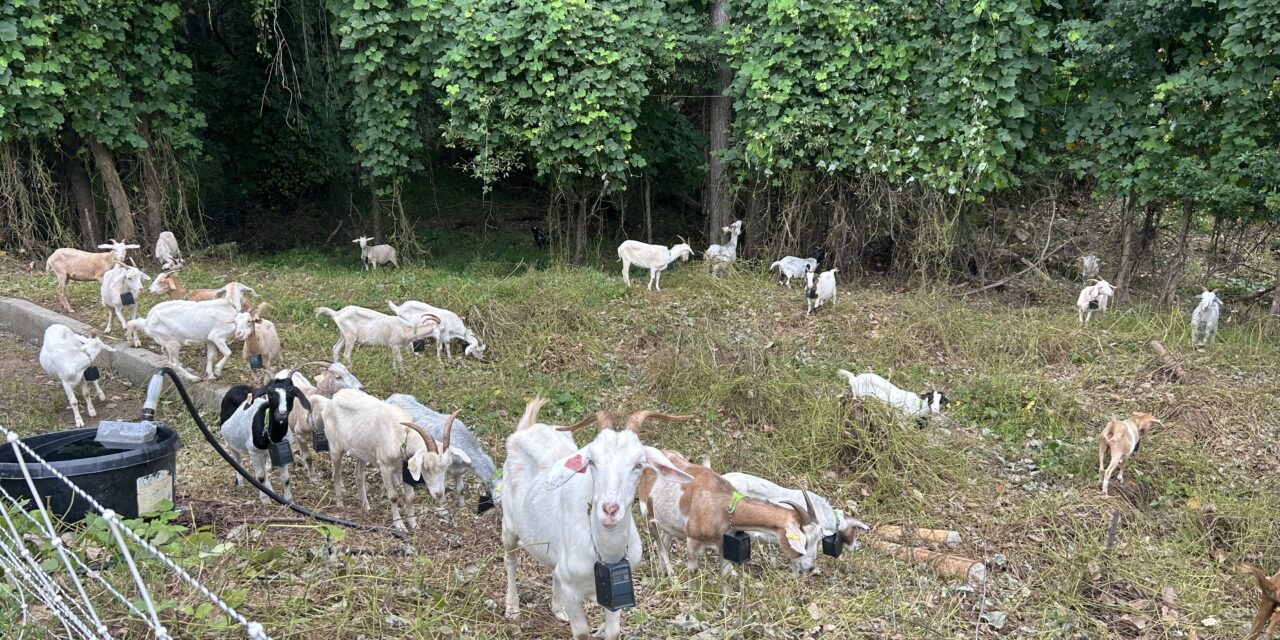
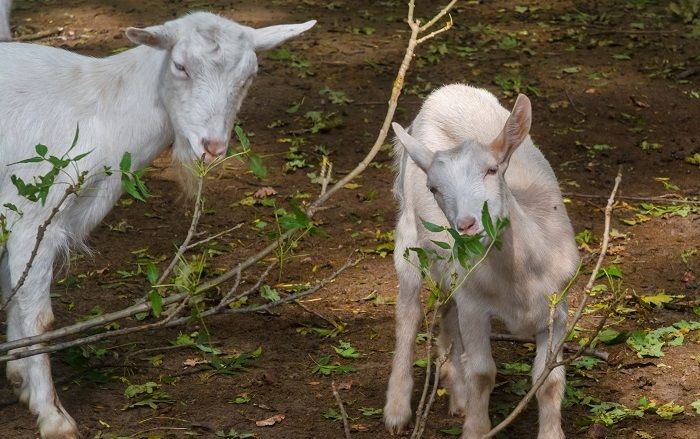
What do goats eat?
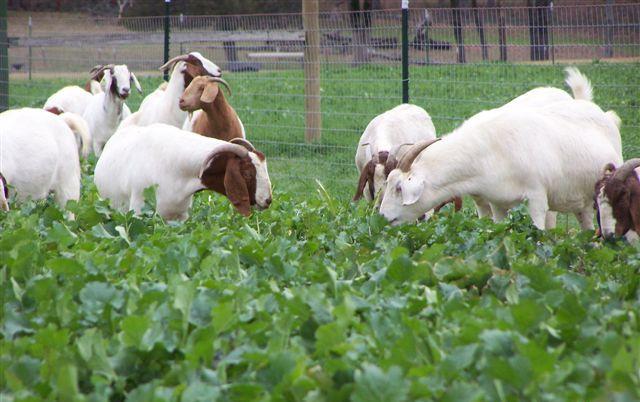
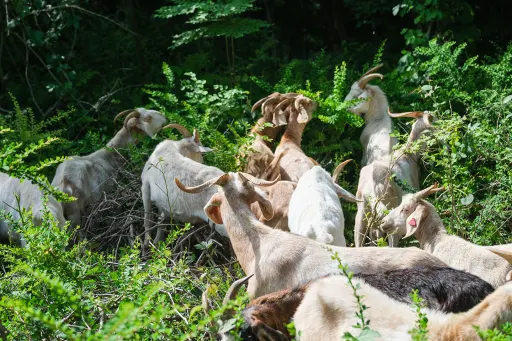
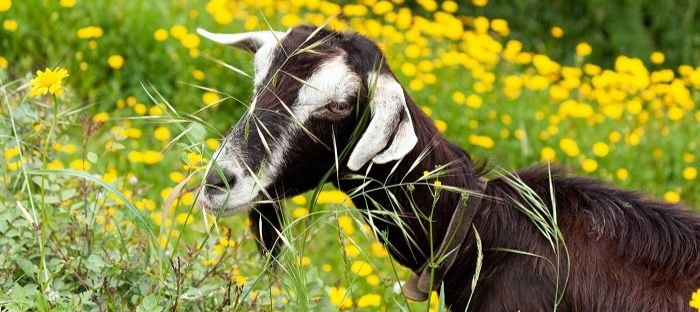
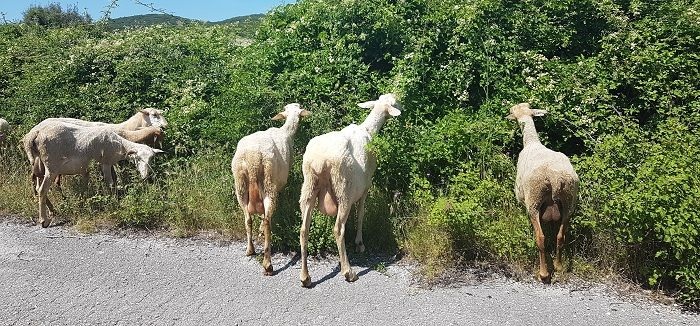
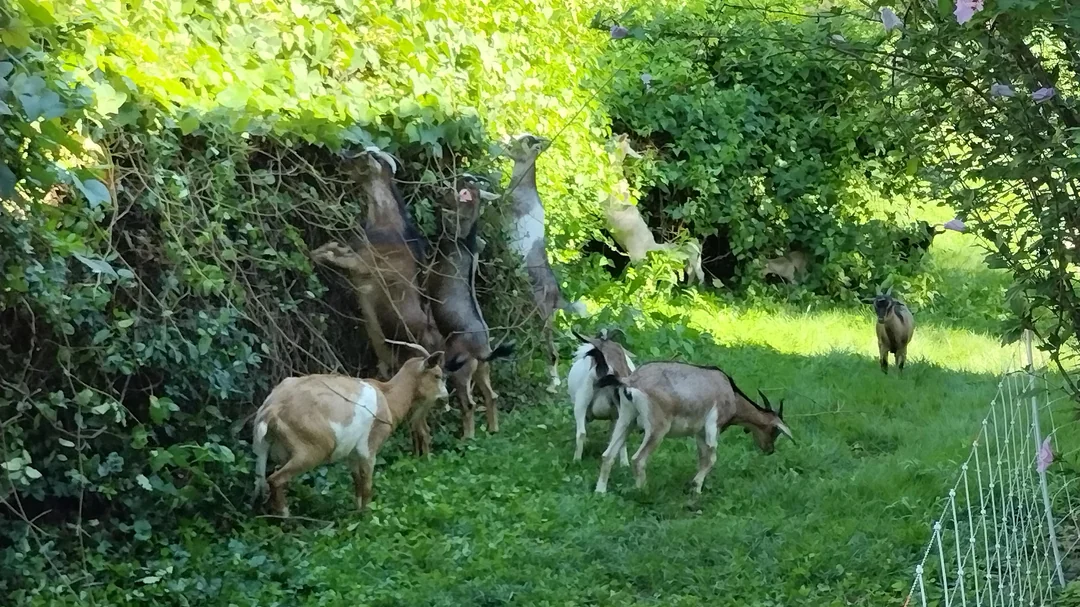
Goats and sheep will eat the leaves and tender, non-woody new growth of stems, but do not eat entire stalks, branches, vines, or roots. They will defoliate nearly all vegetation from about 6-7 feet high and below. They will eat most of the common invasives and unwanted vegetation that we encounter, but there are some things that they can’t or won’t eat.
Examples of plant life found here in the pacific northwest that goats WILL eat:
- Poison Oak
- Poison Ivy
- Bittersweet Vines
- Multi-flora Rose
- Virginia Creeper
- Winter Creeper
- English ivy
- Honeysuckle
- Clover
- Blackberry and raspberry bushes
- Salmon Berries
- Kudzu
- Porcelain berry
- Bamboo
- Thistle
- Knotweed
- Magnolia
- Rose of Sharon
- Most saplings
- Tree of Heaven
- Stilt grass
- Shrubs
- Pigweed
- Mallow
- Borage
- Berrie Canes
- Leaves
- Christmas Trees
- Goji berries
Examples of things they CAN’T or WON’T eat:
- Azalea
- Periwinkle
- Vinca
- Boxwood
- Pokeweed
- Yew
- Rhododendron
- Laurel bushes of any type
- Wilted fruit tree leaves, including cherry
- Poison hemlock
- Nightshades
Poisonous Plants: It’s crucial that we identify and avoid plants that are toxic to goats. Some common examples include rhododendron, azaleas, pieris japonica (Lily of the Valley), and yew.
How do you keep them from eating things that I don’t want eaten?
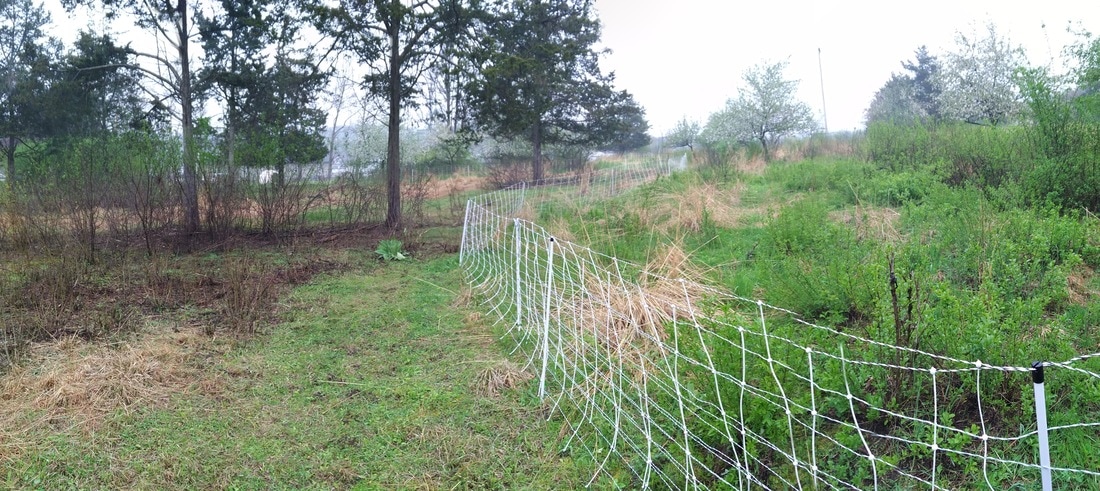
Depending on where in the area it is, we may be able to exclude it from the fence, or put a small fence around it. We do this for anything that is toxic to the animals as well. If there are a lot of plants you want to save in the area, goatscaping may not be the best option for you.
How long will it take?
The amount of time it will take is completely dependent on the area the animals are working on. Size, type of vegetation, thickness of vegetation, and terrain will all have an effect on how long the job takes. We will be able to give you a time estimate at the time of consultation.
How much will it cost?
The price is very dependent on the area, but the base price is per day of grazing, and per 100-foot fence section. The fence set-up fees are dependent upon the difficulty, and the human labor required for set up. Things such as steepness, presence of obstacles, and thickness of vegetation will affect this. We will provide you with a cost estimate after doing a consultation.
We love our animals!
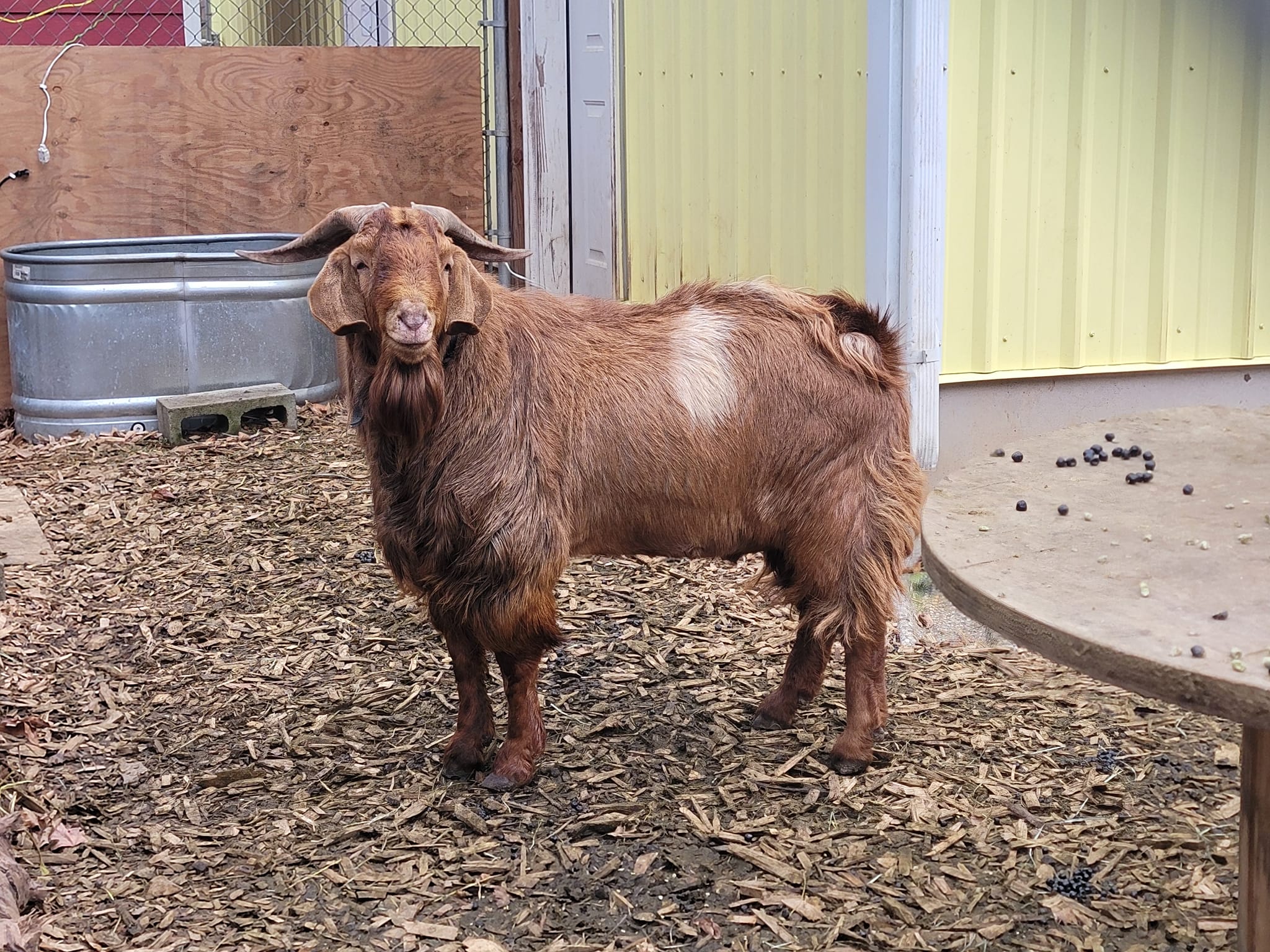
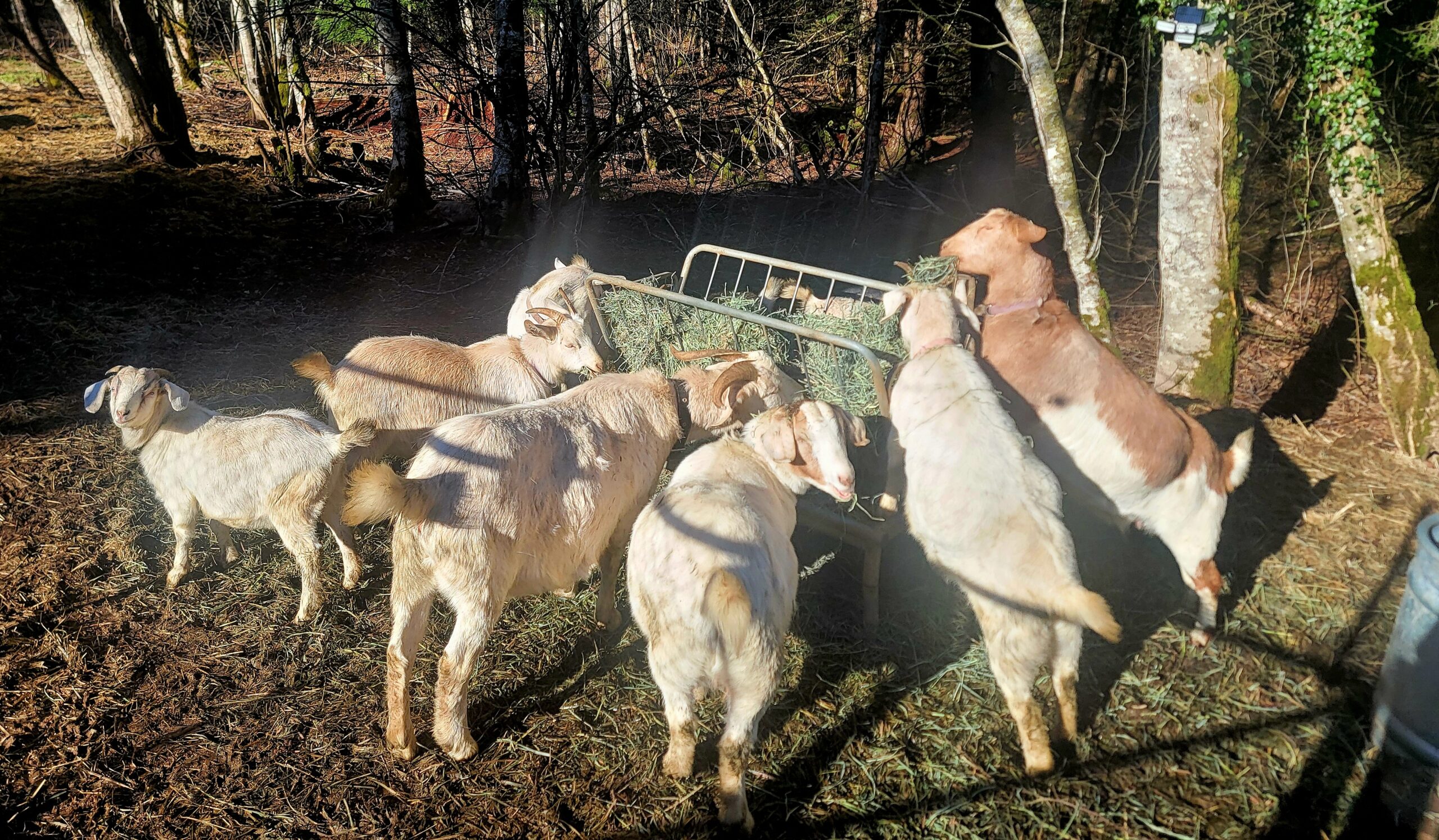
“The Ruckus Ranch” his home to goats, chickens, ducks, turkeys, geese, cats, and dogs. All animals are cared for (spoiled) at the highest standards. They each have names and live as working livestock and pets. They are all properly vaccinated and treated for worms, fleas, and ticks. In addition to landscaping, we can bring our animals to your events. Birthday parties, petting zoos, celebrations, etc. Contact us for questions or scheduling