A safe home starts with a clean chimney. At Dailey Maintenance, we provide comprehensive chimney care to ensure your fireplace or wood stove operates efficiently and safely all year round. With 20 years of experience serving the Pacific Northwest, we combine traditional expertise with modern safety standards.
Our Core Services
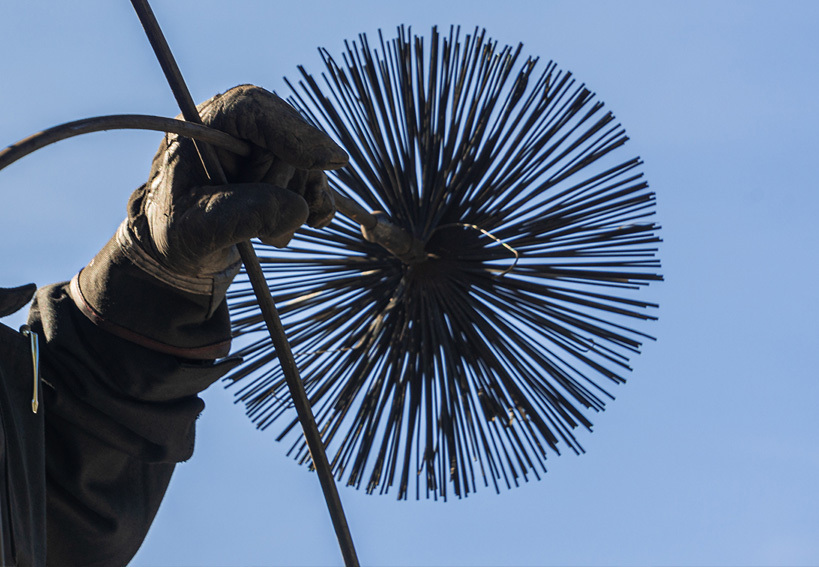
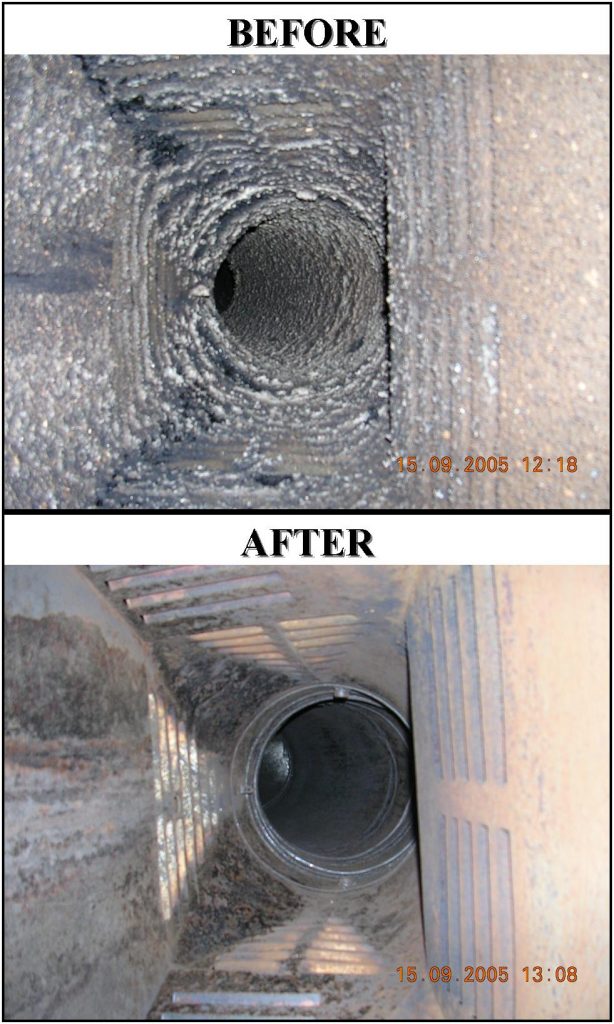
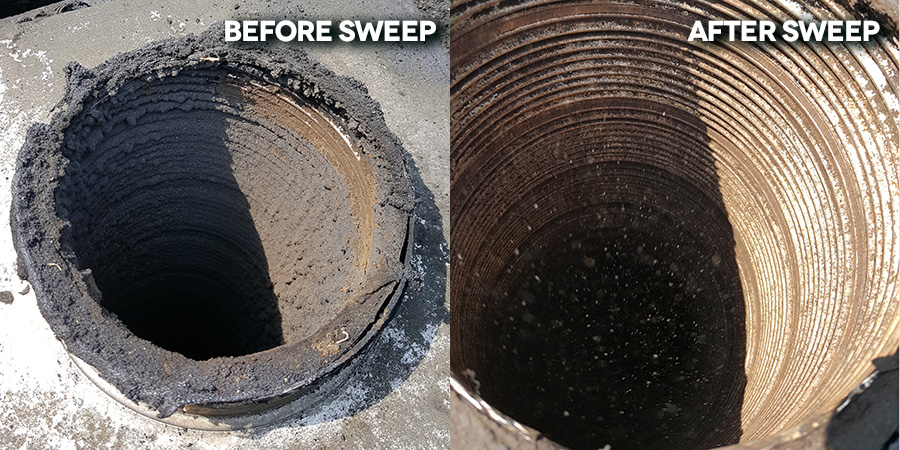
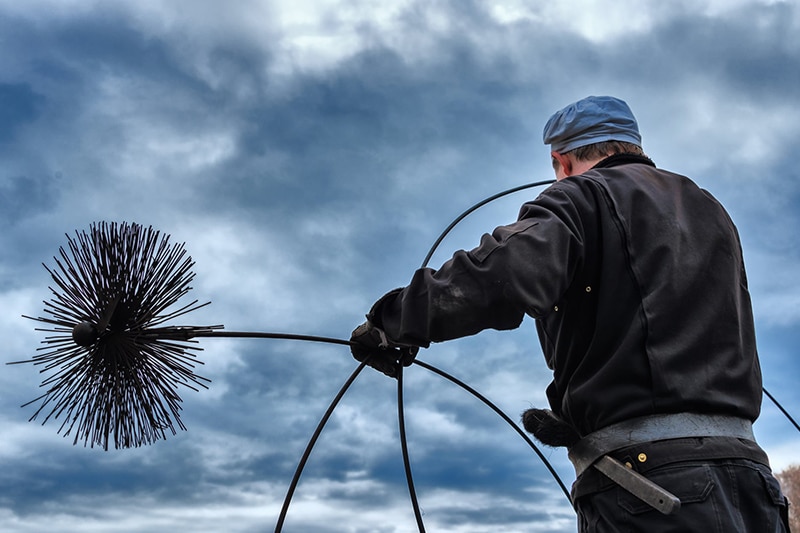
Professional Chimney Sweeping: Removal of dangerous creosote buildup and soot to prevent chimney fires and improve airflow.
Safety Inspections: Thorough evaluations of the flue, liner, and exterior masonry to identify potential hazards before they become costly repairs.
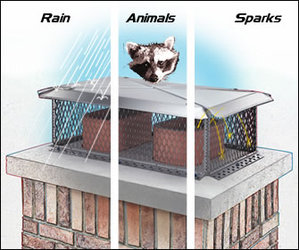
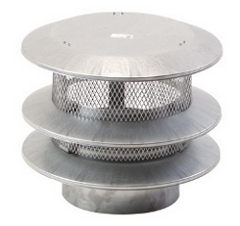
Cap & Screen Installation: Protection against rain, debris, and nesting animals that can block your exhaust.
A fireplace should be cleaned any time an appreciable accumulation (1/8 inch or more) of soot and creosote occur.
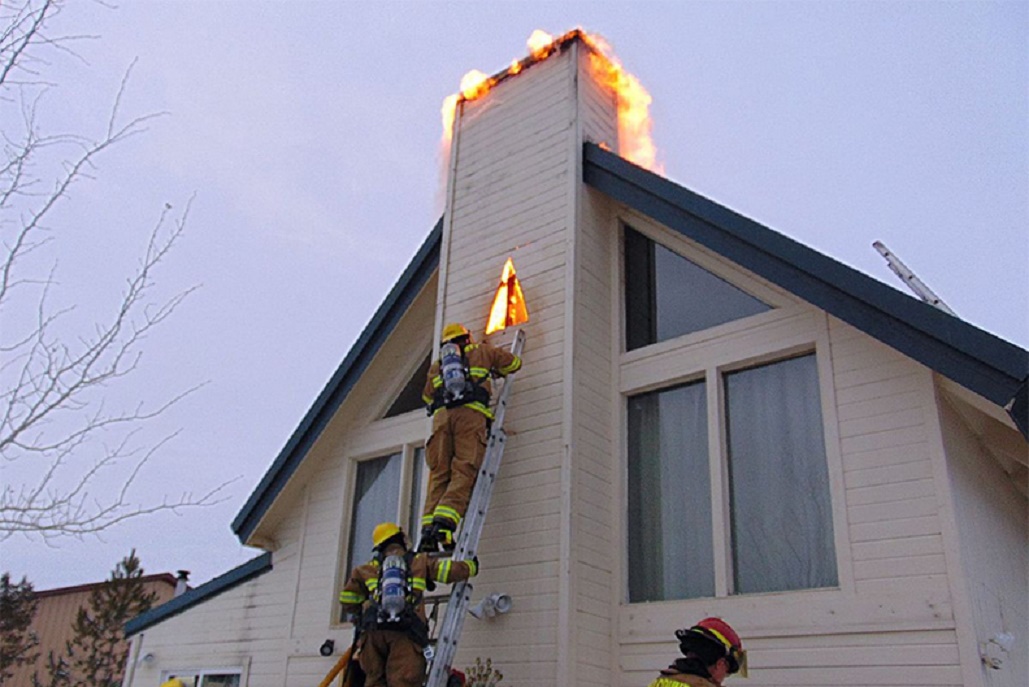
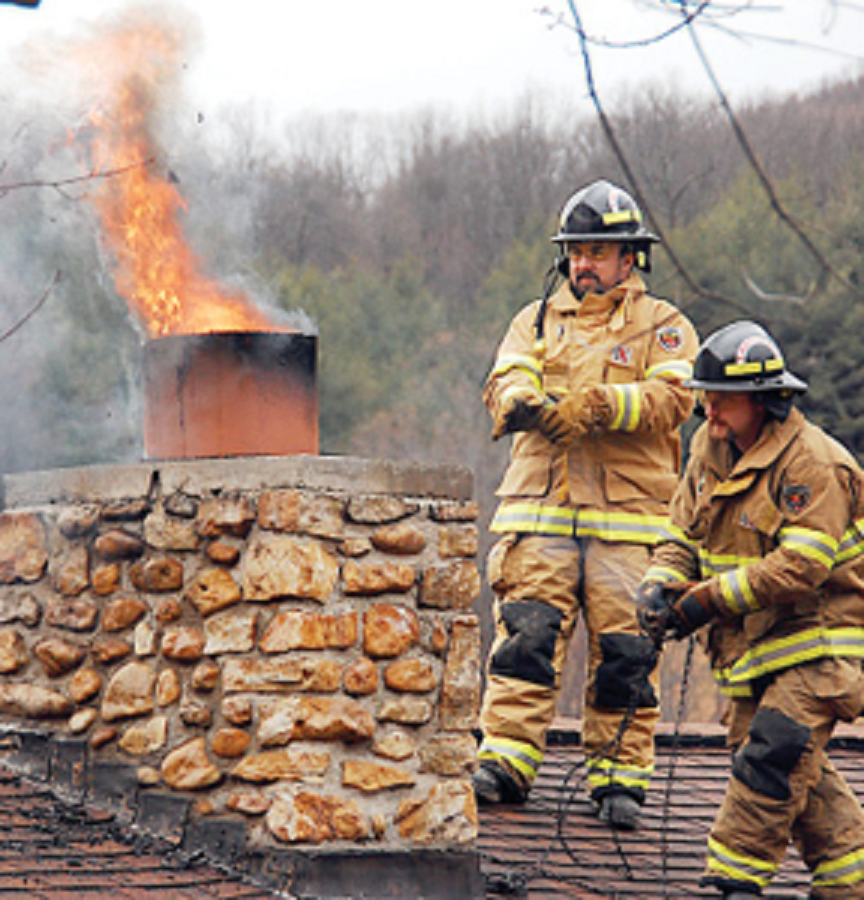
It can be enough to fuel a chimney fire that may damage the chimney and even spread to the roof and home! Furnace flue systems also require cleaning, so do not neglect regular cleaning of those venting systems.
Pro Tip:
The National Fire Protection Association recommends that chimneys be inspected at least once a year for soundness and deposits.
Why Routine Maintenance Matters
Regular cleaning is about more than just a clear fire—it’s about protecting your property and your family.
Benefit
Description
Fire Prevention
Eliminates creosote, a highly flammable byproduct of wood burning.
Carbon Monoxide Safety
Ensures toxic gases are properly vented out of the home rather than backing up.
Efficiency
Improves the “draw” of your fireplace, helping wood burn cleaner and hotter.
Pest Control
Properly fitted caps keep birds, squirrels, and raccoons out of your flue.
Why should I clean / sweep my chimney?
Some fireplace use can produce an incredible amount of soot and creosote during a cleaning. We have been known to have removed nearly two full five gallon buckets of material from one chimney! Removing this material is critical to continued safe use of the fireplace and reduced risk of Chimney Fires that start when this highly combustible material builds up to unsafe levels.
How often should the chimney be swept?
This a tougher question than it sounds. The simple answer is: The National Fire Protection Association Standard 211 says, “Chimneys, fireplaces, and vents shall be inspected at least once a year for soundness, freedom from deposits, and correct clearances. Cleaning, maintenance, and repairs shall be done if necessary.” This is the national safety standard and is the correct way to approach the problem. It takes into account the fact that even if you don’t use your chimney much, animals may build nests in the flue or there may be other types of deterioration that could make the chimney unsafe to use. The Chimney Safety Institute of America recommends that open masonry fireplaces should be swept at 1/8″ of sooty buildup, and sooner if there is any glaze present in the system. This is considered to be enough fuel buildup to cause a chimney fire capable of damaging the chimney or spreading to the home. Factory-built fireplaces should be swept when any appreciable buildup occurs. The logic is that the deposit is quite acidic and can shorten the life of the fireplace.
My fireplace stinks – what can be done?
The smell is due to creosote deposits in the chimney, a natural byproduct of woodburning. The odor is usually worse in the summer when the humidity is high and the air conditioner is turned on. A good sweeping will help but usually won’t solve the problem completely. There are commercial chimney deodorants that work pretty well, and many people have good results with baking soda or even kitty litter set in the fireplace. The real problem is the air being drawn down the chimney, a symptom of overall pressure problems in the house. Some make-up air should be introduced somewhere else in the house. A tight sealing, top mounted damper will also reduce this air flow coming down the chimney.
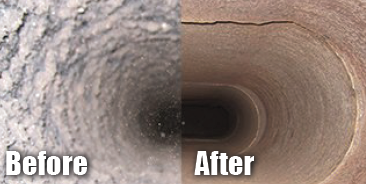
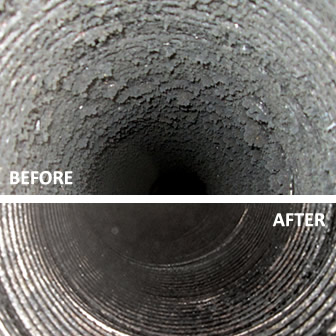
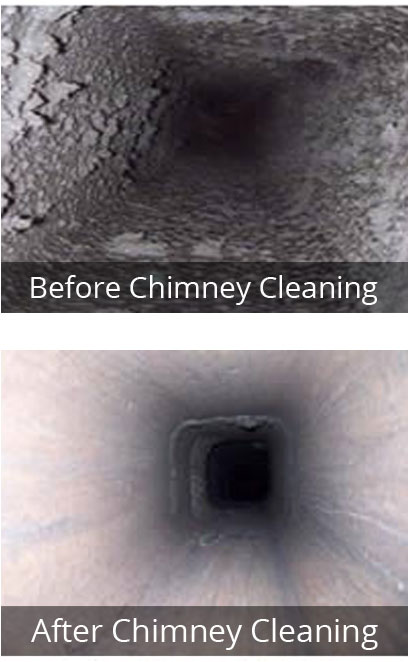
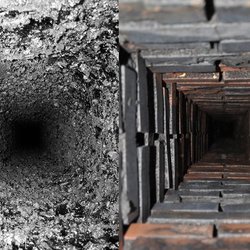
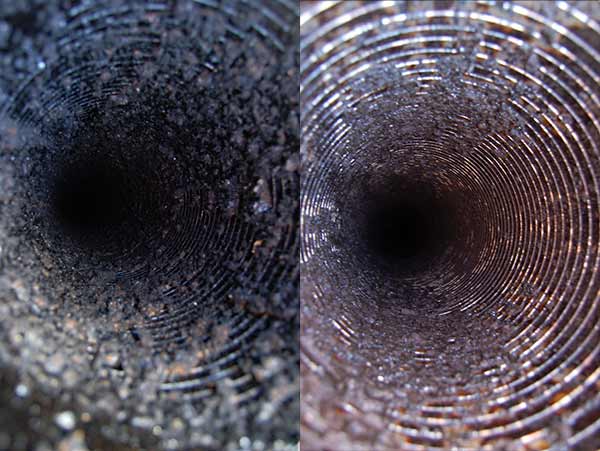
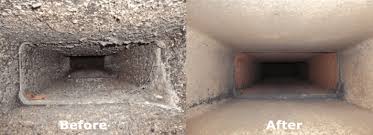
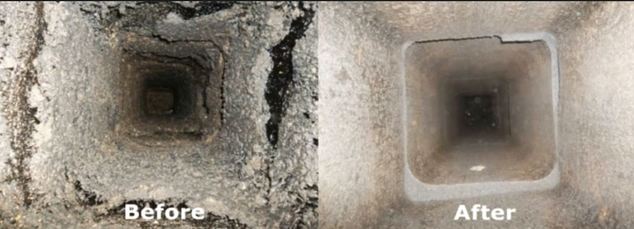
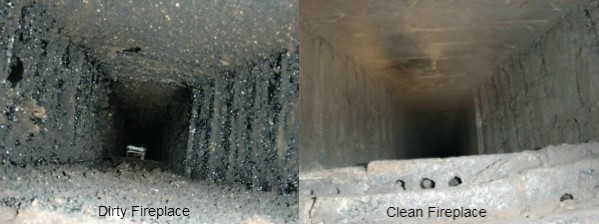
BEFORE & AFTER!
The Dailey Maintenance Difference
We treat every home with the respect it deserves. Our process is designed to be clean, efficient, and transparent.
Veteran Owned & Operated
20 Years of Excellence
Fully Insured & Licensed
Chimney Caps & Dampers
Having a high quality chimney cap is one of the best things that you can do for the long term life of your chimney. They are so versatile and useful that we recommend that every single chimney flue be covered with a stainless steel or copper chimney cap.
Dailey Maintenance LLC has a wide selection of caps and dampers to match your specific chimney type and style.
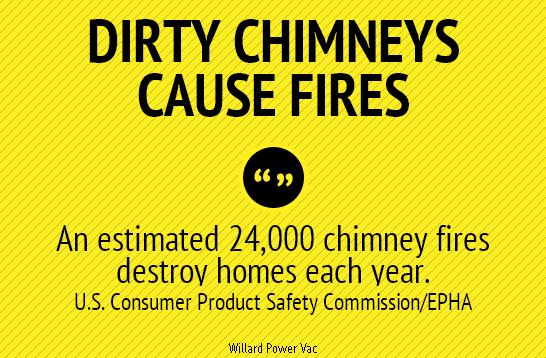
Between 200 and 700 people die each year due to carbon monoxide poisoning, with hundreds more hospitalized. This can be prevented! Have annual cleanings and at least one carbon monoxide detector in your house.
Schedule Your Inspection Today
Don’t wait for the first cold snap to find out your chimney is blocked.
Every time you burn wood, a sticky, highly flammable substance called creosote builds up inside your chimney liner. If this buildup isn’t removed, it can ignite, causing a dangerous chimney fire that can spread to the rest of your home. Regular sweeping also removes soot and bird or animal nests that can block ventilation.
The National Fire Protection Association (NFPA) recommends that all chimneys, fireplaces, and vents be inspected at least once a year. If you use your fireplace as a primary heat source during the winter, you may need more frequent cleanings to manage the faster accumulation of creosote.
We highly recommend the Spring or Summer. Most homeowners wait until the first cold snap in the fall, which leads to a massive rush and long wait times. Getting it done in the “off-season” ensures your home is safe and ready the moment you need that first fire of the year.
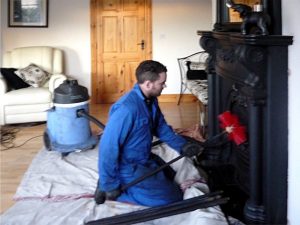
No. We take extreme care to protect your home. We use professional drop cloths, specialized dust containment vacuums, and hearth-sealing techniques to ensure that no soot or ash enters your living space. When we leave, your fireplace area will be as clean as (or cleaner than) when we arrived.
Yes. Every sweep includes a visual inspection of the flue, the damper, and the exterior masonry or chimney cap. We look for cracks in the firebox, deteriorating mortar, or signs of water intrusion that could lead to expensive repairs if left unaddressed.
Absolutely. We are experienced in cleaning traditional open masonry fireplaces as well as modern wood stove inserts. We ensure the connecting pipe and the internal baffle systems are clear of ash and debris for maximum heating efficiency.
Most standard cleanings and inspections take between 45 and 90 minutes, depending on the level of buildup and the height of the chimney.